Digging in
The beginning of another muddy spring job that should pay off for years.
One tree, multiple grafted varieties, real planting photos, and the kind of backyard project that makes you curious to see what the next few seasons bring.
I’ve always liked the idea of a fruit tree that feels a little surprising, and a 4-in-1 fruit tree definitely qualifies. It gives you that fun “how is this even one tree?” feeling right away.
Instead of planting four separate fruit trees, this one brings multiple grafted varieties together on a single tree. That makes it feel practical, space-smart, and honestly just plain interesting.
It also feels perfect for the cabin, where every planting starts becoming part of a longer story instead of just another weekend job.
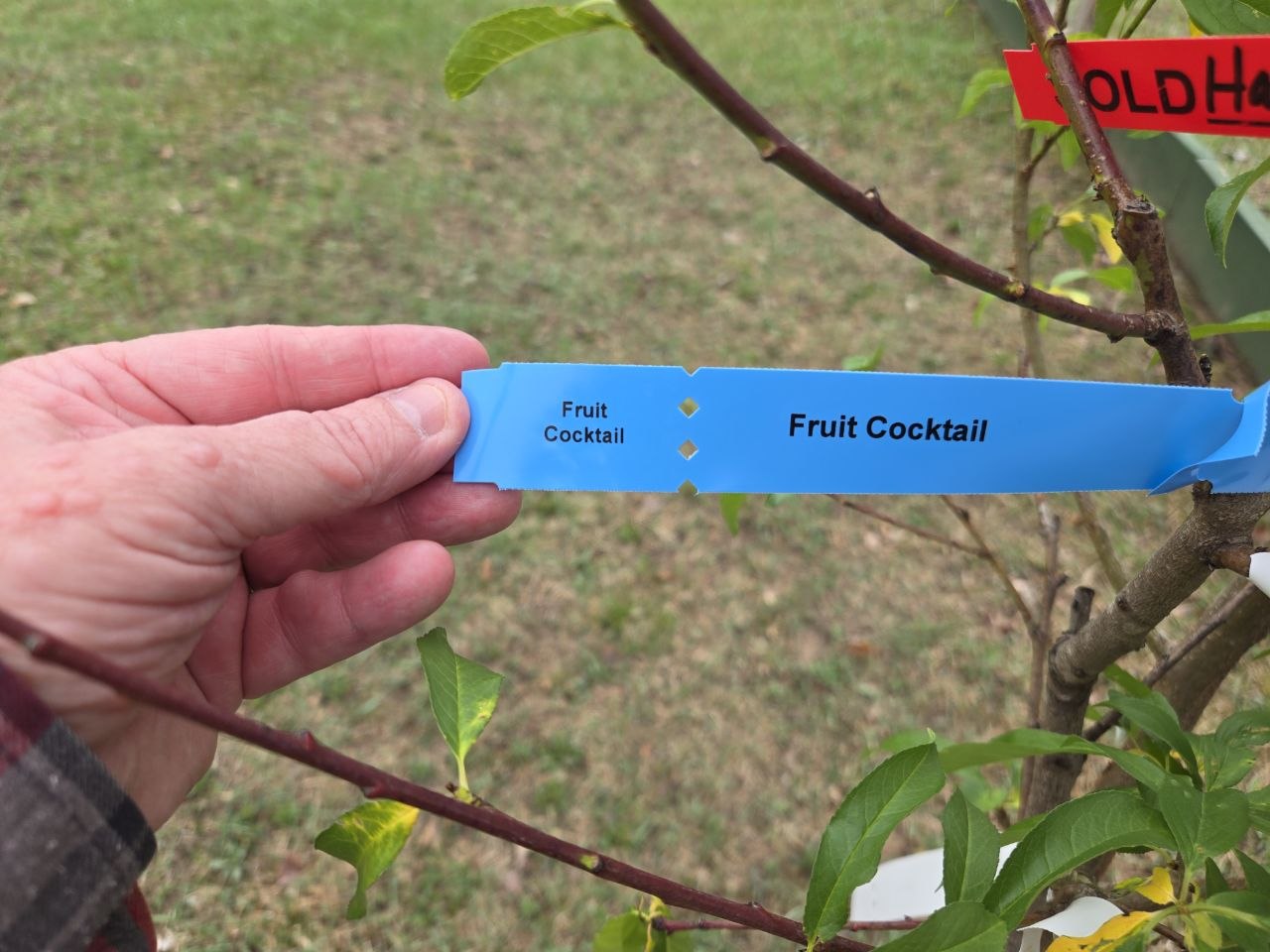
The whole appeal is that different grafted varieties can share one trunk and one planting space.
This is the kind of tree people notice because it is different from the usual one-variety fruit tree.
If you do not want a whole row of separate trees, this kind of combo tree can be a really fun compromise.
Being able to see the labeled grafts makes the whole thing feel a little like a backyard science project in the best possible way.
I like trees that create future curiosity, and this one definitely does. You start wondering how each graft will grow and what kind of fruit it will give later.
Not loud, not flashy, just clever, useful, and the kind of thing that makes a place more interesting year by year.
This one was a good spring project because it felt practical and exciting at the same time. Dig the hole, get the root ball placed well, backfill it carefully, and then stand back and imagine what it might look like once all those grafted branches settle in and start doing their thing.
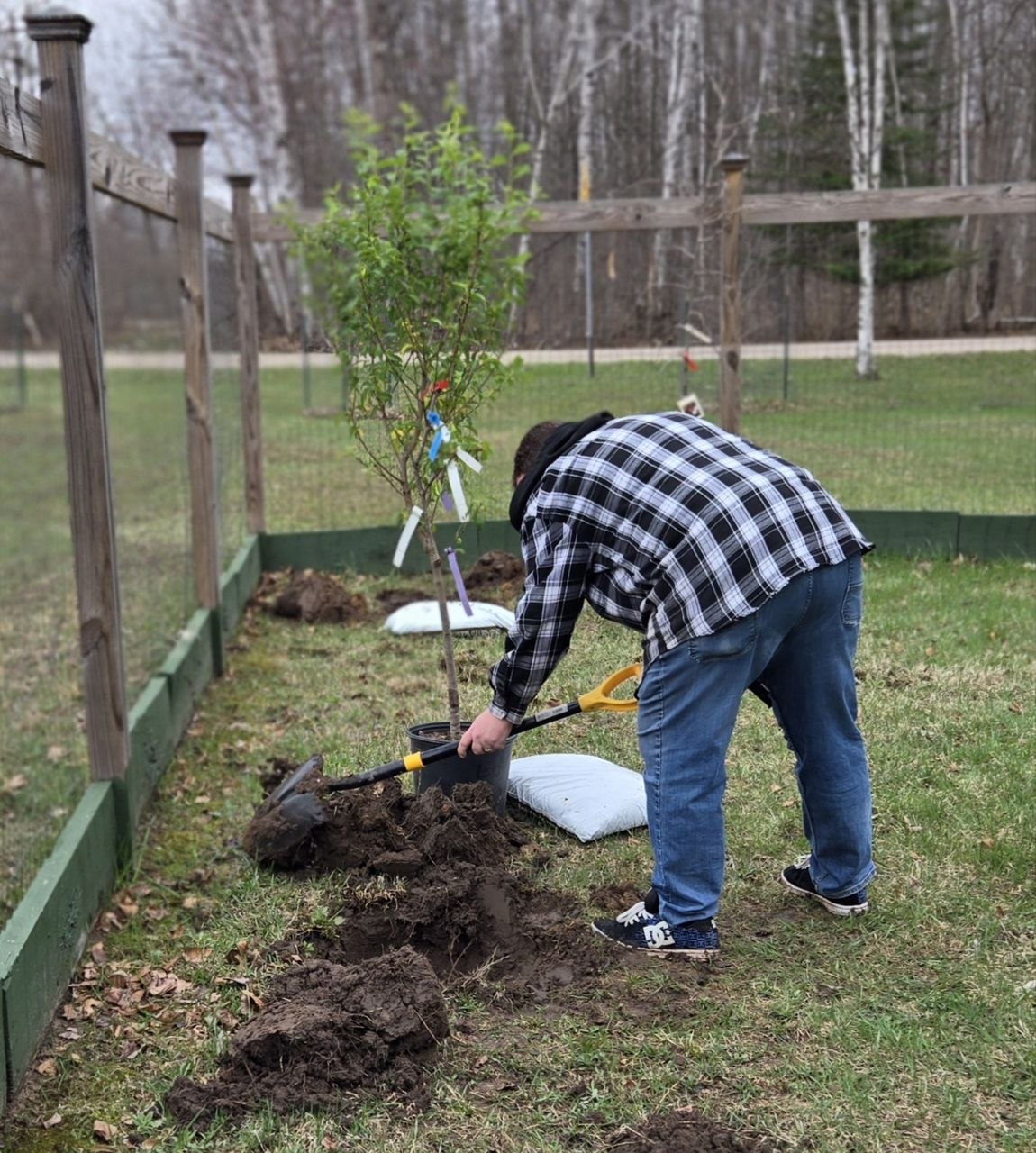
The beginning of another muddy spring job that should pay off for years.
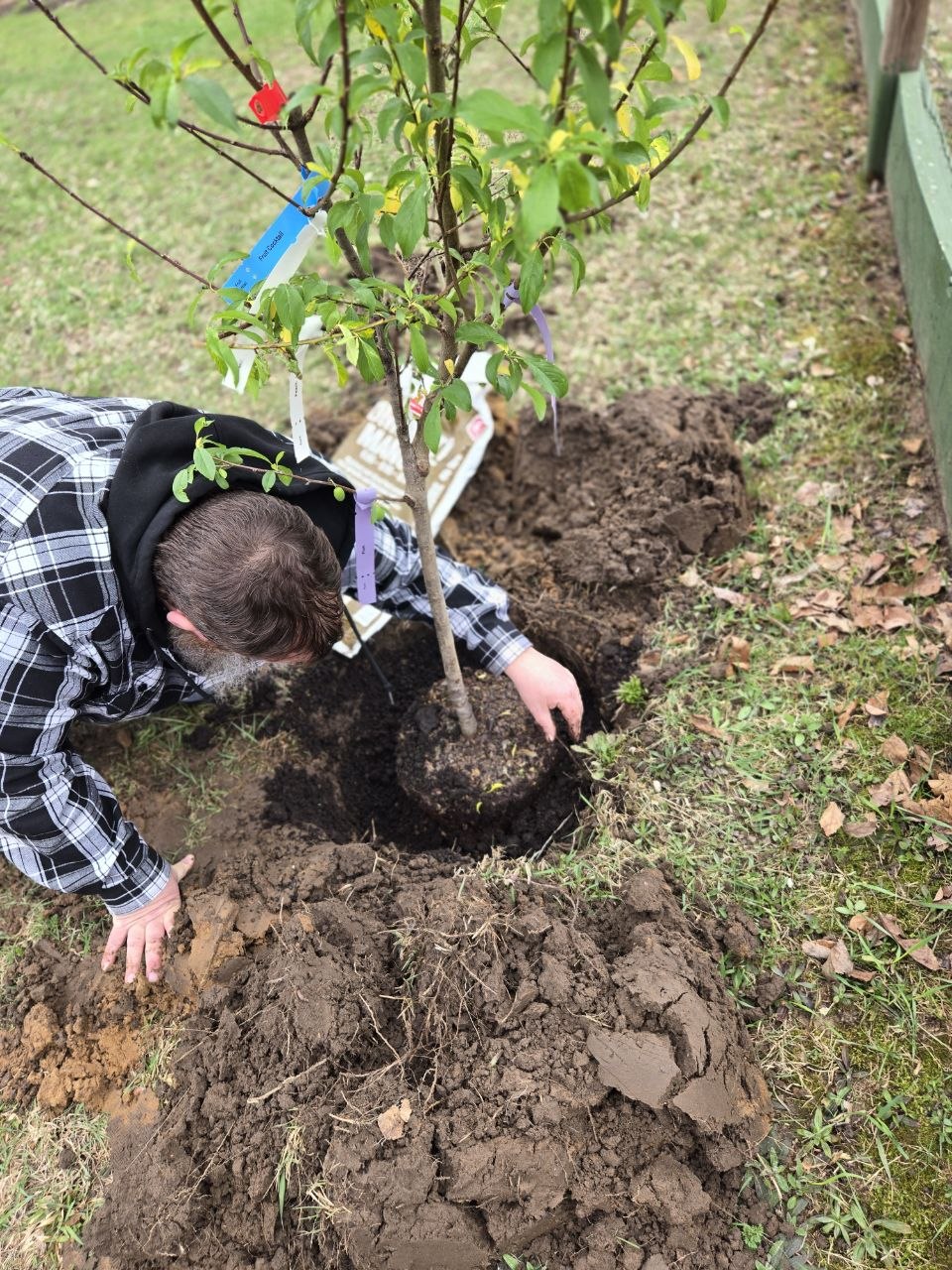
This is the stage where the project stops being an idea and starts looking like a real part of the cabin.
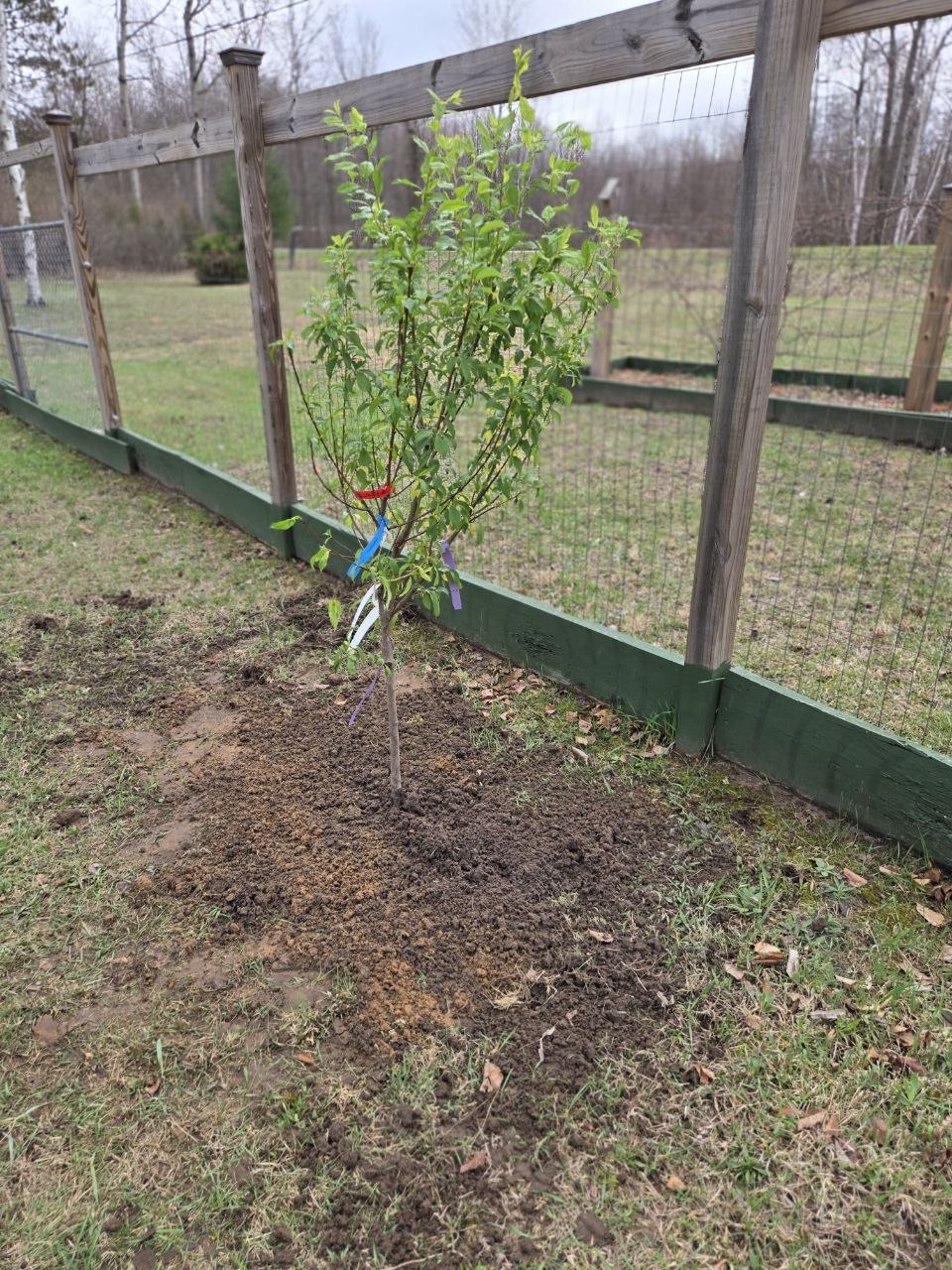
A satisfying end point for the day, and the start of a much longer payoff.
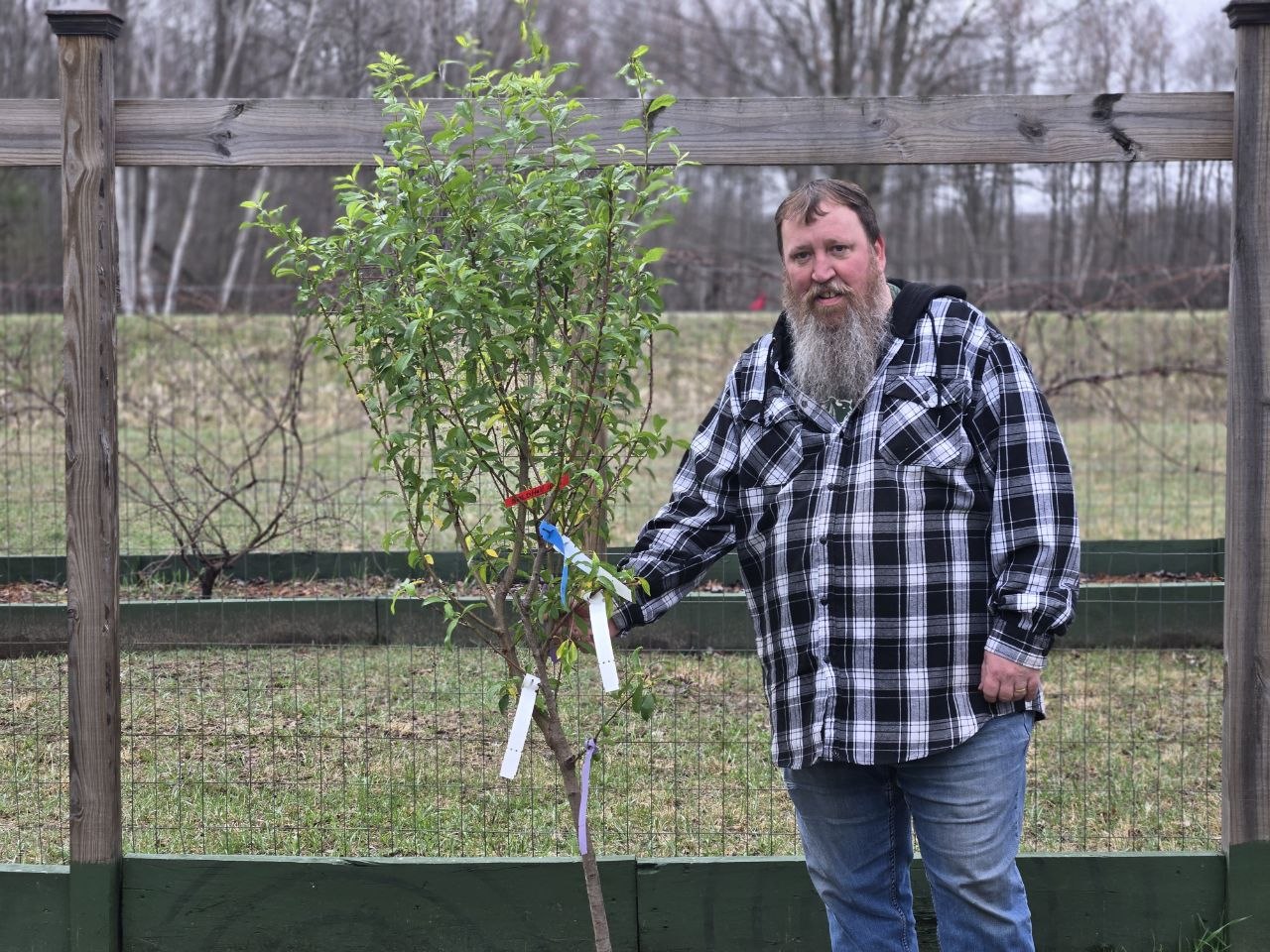
I like having a photo like this because it shows what the tree actually looks like in the real world, not in a catalog.
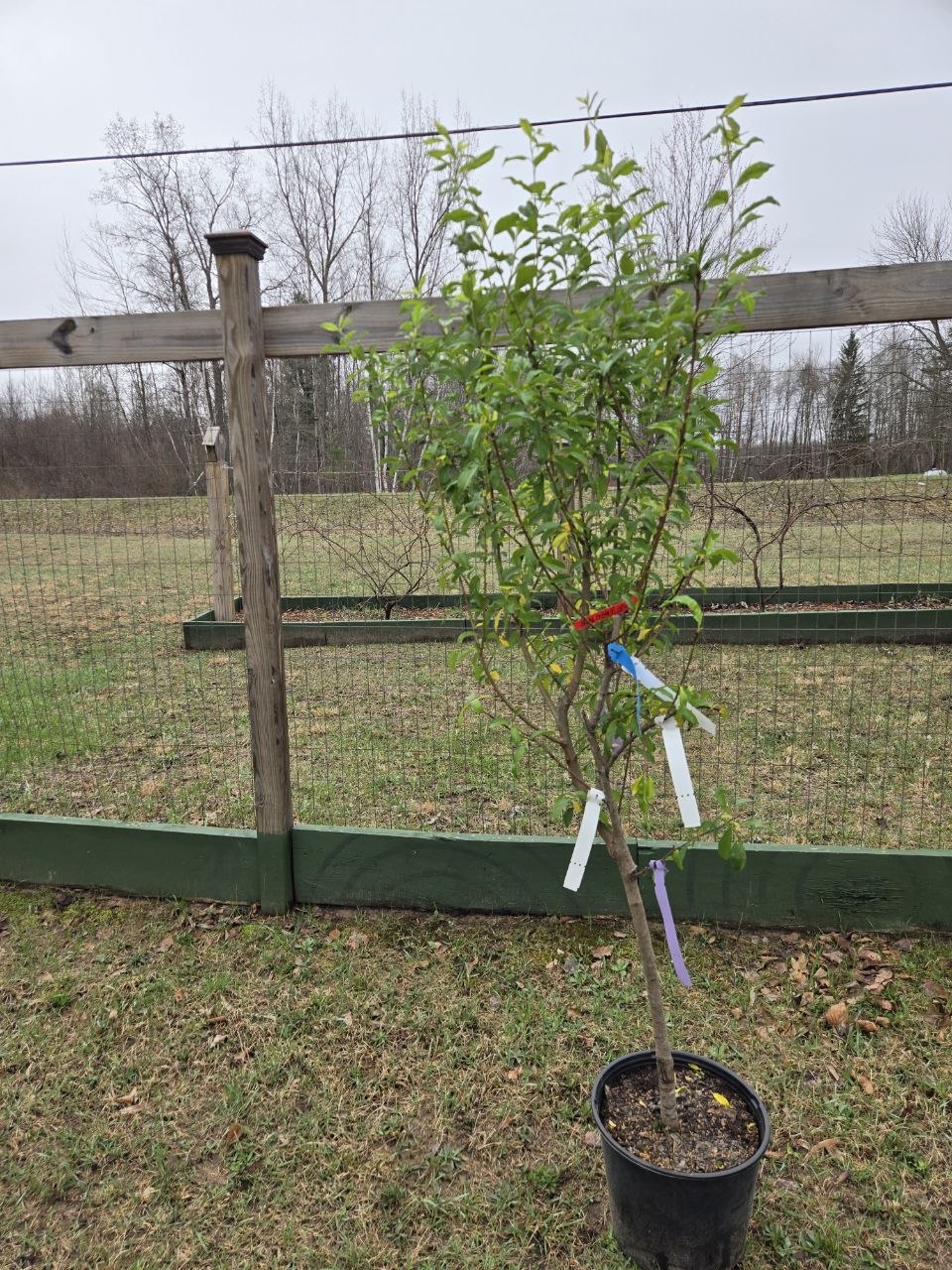
Seeing the labeled branches makes this whole tree feel more real and more interesting.
A clean look at the tree before planting day turned it into part of the landscape.
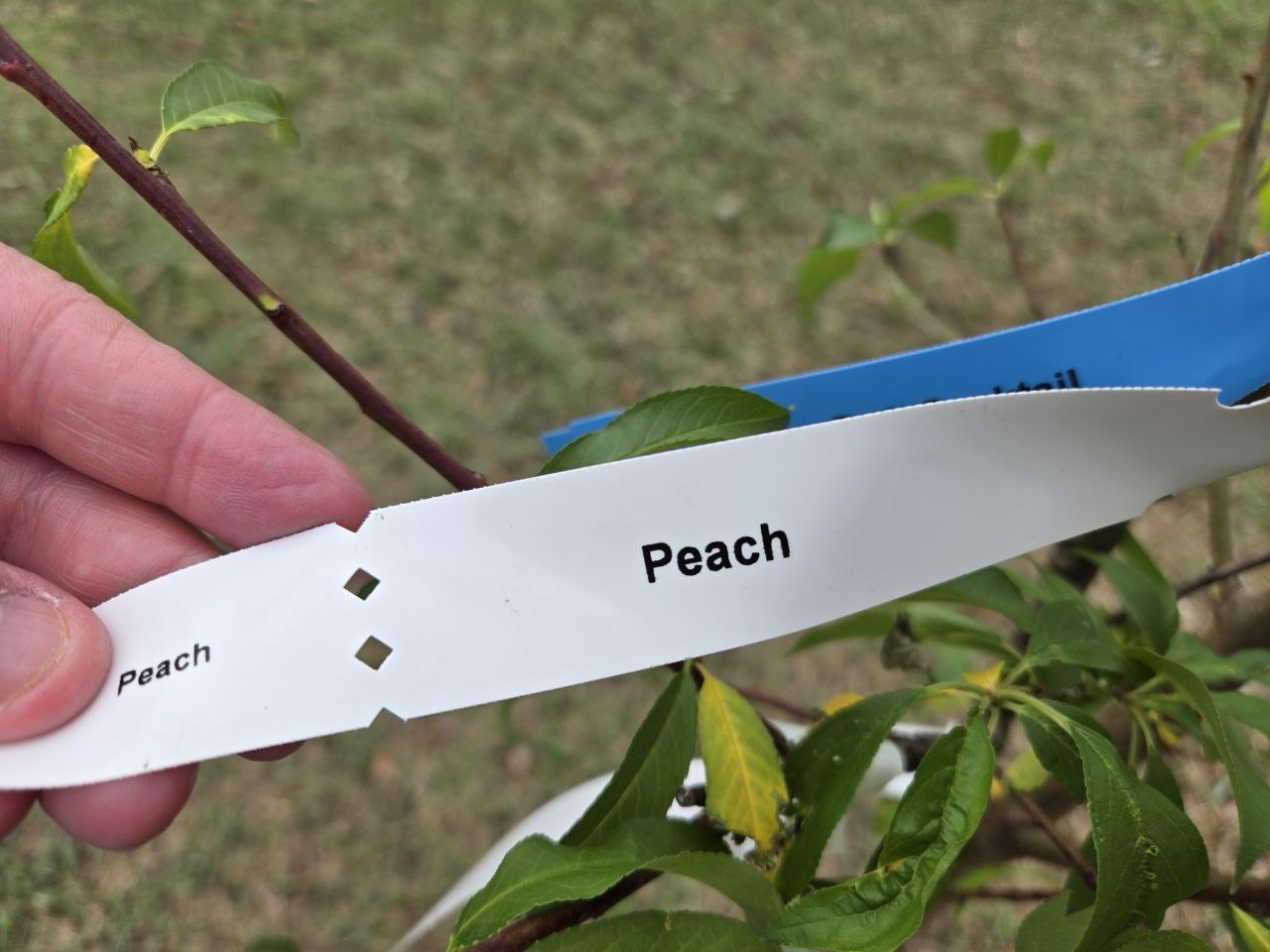
This is where the multi-variety idea really starts to sink in.
This is the kind of backyard content I want more of here. Real planting days, real photos, and projects that make a place feel more alive and more personal over time.
It is useful, but it is also fun. And I think that balance matters.